
807 Street 39MC, Phnom Penh, Cambodia
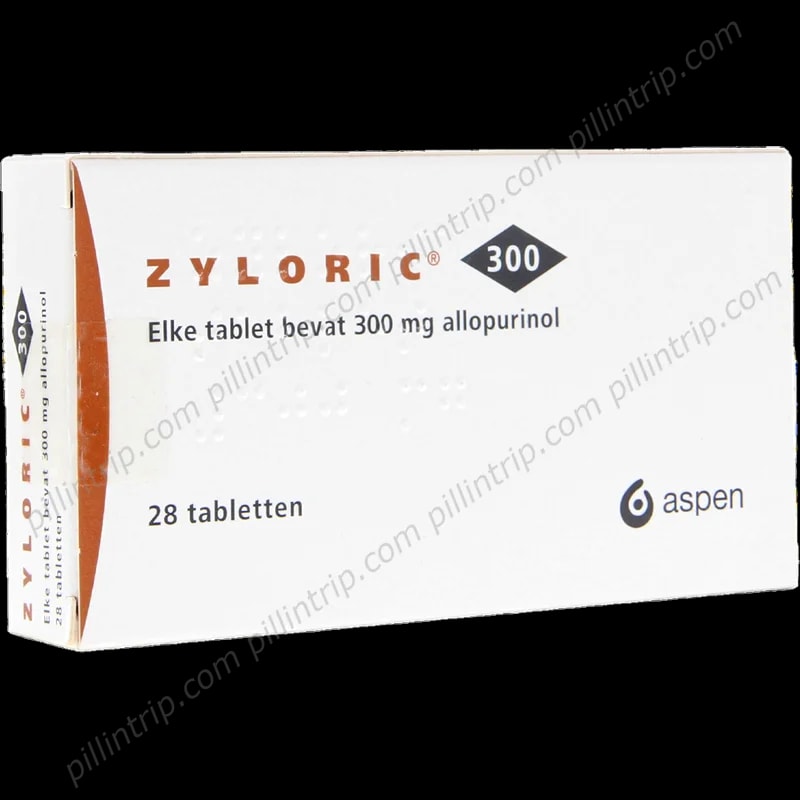
Zyloric Allopurinol 300mg
Prescription notice
Item may require a valid prescription. Please consult your doctor or pharmacist before using new medication.
Last updated 28/08/2026 at 5:12 PM
807 Street 39MC, Phnom Penh, Cambodia
Indication
Zyloric is a xanthine oxidase inhibitor indicated for the management of chronic gout and hyperuricaemia, prevention of uric acid and calcium oxalate nephrolithiasis, and management of hyperuricaemia associated with haematological malignancies and cytotoxic chemotherapy.
Ingredients
- Allopurinol 300 mg
Direction
Adults: 100–300 mg once daily initially, preferably after meals. Maintenance: 100–300 mg/day; doses above 300 mg may be divided. Maximum: 900 mg/day in severe cases. Dose should be adjusted in renal impairment. Maintain adequate fluid intake (2–3 litres/day).
Side effects
- Rash (common
- may indicate hypersensitivity — discontinue).
- Gastrointestinal upset: nausea
- diarrhea.
- Acute gout attack (especially at initiation).
- Serious: Stevens
- Johnson syndrome
- DRESS
- toxic epidermal necrolysis (rare but potentially fatal).
- Elevated liver enzymes
- hepatitis (rare).
Precautions
- Initiate therapy only after the acute gout attack has completely resolved.
- Use with caution in renal impairment (reduce dose).
- Increase fluid intake during therapy to prevent urolithiasis.
- Allopurinol may precipitate acute gout attacks at initiation
- consider prophylactic colchicine.
- Serious hypersensitivity reactions (DRESS
- Stevens
- Johnson syndrome) can occur
- especially in patients with HLA
- B*5801 allele and those with renal impairment — consider screening.
- Interactions: azathioprine and mercaptopurine doses must be reduced significantly.
- Keep out of reach of children.
Indication
Zyloric is a xanthine oxidase inhibitor indicated for the management of chronic gout and hyperuricaemia, prevention of uric acid and calcium oxalate nephrolithiasis, and management of hyperuricaemia associated with haematological malignancies and cytotoxic chemotherapy.
Ingredients
- Allopurinol 300 mg
Direction
Adults: 100–300 mg once daily initially, preferably after meals. Maintenance: 100–300 mg/day; doses above 300 mg may be divided. Maximum: 900 mg/day in severe cases. Dose should be adjusted in renal impairment. Maintain adequate fluid intake (2–3 litres/day).
Side effects
- Rash (common
- may indicate hypersensitivity — discontinue).
- Gastrointestinal upset: nausea
- diarrhea.
- Acute gout attack (especially at initiation).
- Serious: Stevens
- Johnson syndrome
- DRESS
- toxic epidermal necrolysis (rare but potentially fatal).
- Elevated liver enzymes
- hepatitis (rare).
Precautions
- Initiate therapy only after the acute gout attack has completely resolved.
- Use with caution in renal impairment (reduce dose).
- Increase fluid intake during therapy to prevent urolithiasis.
- Allopurinol may precipitate acute gout attacks at initiation
- consider prophylactic colchicine.
- Serious hypersensitivity reactions (DRESS
- Stevens
- Johnson syndrome) can occur
- especially in patients with HLA
- B*5801 allele and those with renal impairment — consider screening.
- Interactions: azathioprine and mercaptopurine doses must be reduced significantly.
- Keep out of reach of children.
You may also like
Similar medicines from ឱសថស្ថាន ក្តីស្រឡាញ់